Turmeric Without Black Pepper
Is Almost Useless.
Here’s Why That Matters.
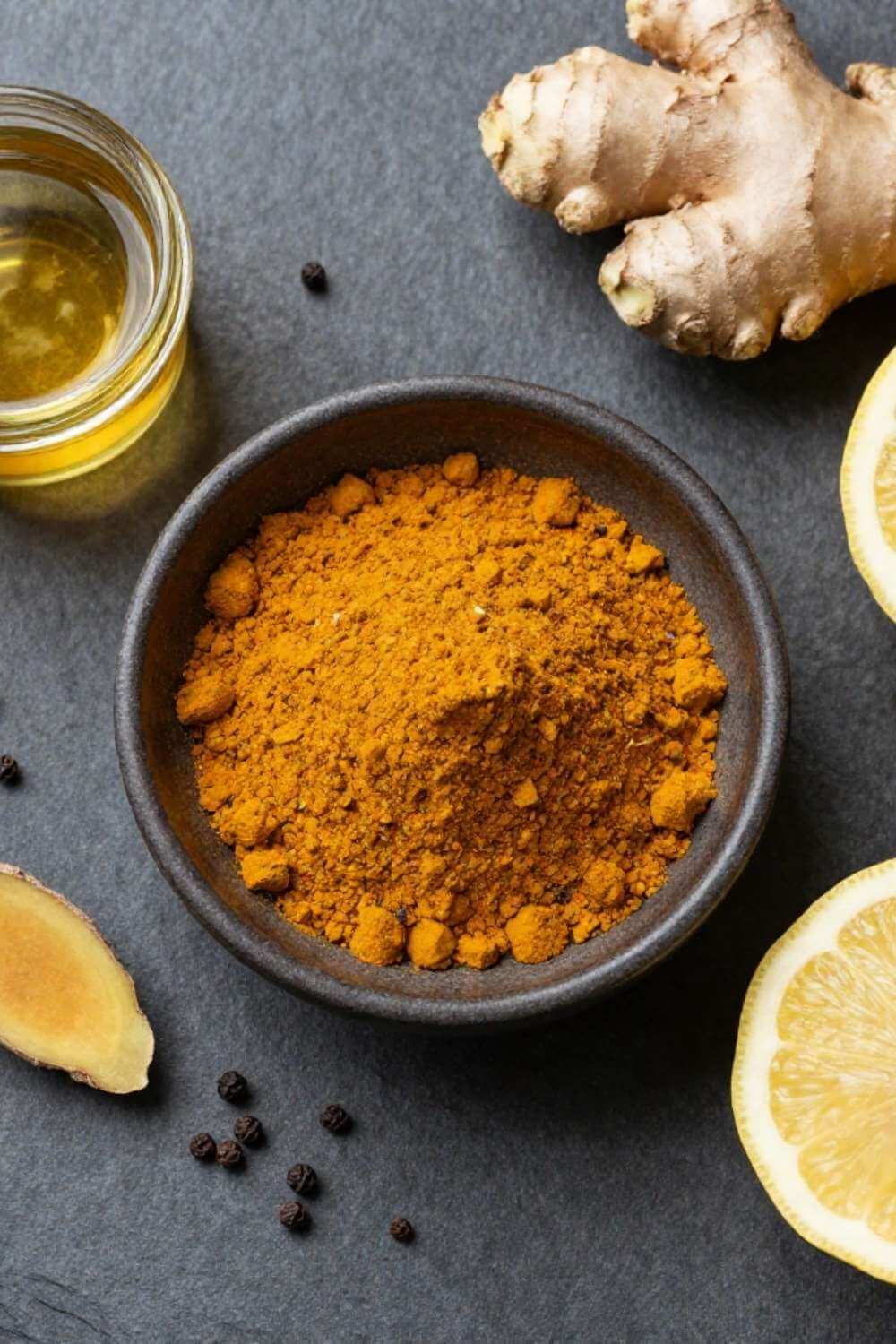
I added turmeric to everything for about a year before I understood what I was actually doing. Golden milk every morning. Turmeric in scrambled eggs. Turmeric in bone broth. I felt vaguely virtuous and not much else.
Then I read about bioavailability — about the fact that curcumin, the active compound in turmeric, is so poorly absorbed by the human body that consuming it without a specific co-factor is almost like not consuming it at all. The liver metabolises it and clears it before it can do much of anything. Years of research into its anti-inflammatory and anxiolytic effects have been consistently hampered by this one fundamental problem.
The co-factor is sitting in your pepper grinder right now.
The core factPiperine — the active compound in black pepper — inhibits the liver enzymes that break down curcumin before it reaches your bloodstream. Adding even a small pinch of black pepper to turmeric increases curcumin absorption by up to 2,000%. This is one of the most dramatic natural absorption improvements known in nutrition science.
What follows is the actual science behind why this matters — not just for inflammation, but specifically for cortisol, anxiety recovery, and the hormonal environment that most women eating keto Mediterranean are actively trying to restore.
The Problem with Turmeric
That Nobody Talks About
Curcumin makes up roughly 5% of turmeric by weight. It’s the yellow pigment, the polyphenol with the research behind it — over 6,000 published studies examining its anti-inflammatory, antioxidant, and neuroprotective properties. It’s genuinely well-studied. The problem is that the human body is very efficient at getting rid of it.
When curcumin reaches the liver, it undergoes a process called glucuronidation — essentially the liver tagging it as a foreign substance and converting it into a water-soluble form for excretion. This happens fast. In some studies, oral bioavailability of curcumin without any absorption enhancer has been described as virtually zero. You eat a teaspoon of turmeric, and by the time it matters, most of the curcumin is already on its way out.
Traditional Ayurvedic medicine combined turmeric with black pepper instinctively, for thousands of years, before any of this was understood biochemically. Ancient culinary wisdom that modern science has now confirmed in precise molecular detail.
How Piperine Works:
The Mechanism Simply Explained
Piperine makes up approximately 5% of black pepper by weight — the same proportion as curcumin in turmeric. It’s responsible for pepper’s sharp bite, and it acts on curcumin through two complementary mechanisms.
The absorption mechanism
What happens when you combine turmeric and black pepper
- Liver enzyme inhibition: Piperine inhibits CYP3A4 — the primary liver enzyme that breaks down curcumin. With that enzyme suppressed, curcumin stays in its active form longer, giving it time to reach tissues that need it.
- Glucuronidation blocking: Piperine also reduces the glucuronidation process — the liver’s mechanism for tagging curcumin as something to excrete. Less tagging means more curcumin stays bioavailable in the bloodstream.
- Gut permeability enhancement: Piperine increases intestinal membrane permeability slightly, improving how much curcumin is absorbed at the gut level before it even reaches the liver.
- Fat amplifies both: Curcumin is fat-soluble. Consuming it with olive oil, fatty fish, or avocado allows it to bypass the liver via the lymphatic system and absorb directly into the bloodstream — on top of the piperine effect.
This is why the keto Mediterranean approach is particularly well-suited to getting the most from turmeric. You’re already eating significant amounts of healthy fat at every meal. Adding turmeric and a pinch of black pepper to olive oil-dressed dishes, bone broth finished with fat, or fatty fish preparations means you’re naturally hitting all three absorption mechanisms — piperine, fat, and consistent daily use — without any special effort.
The practical ruleTurmeric + black pepper + fat = effective. Any two without the third is significantly less useful. In a keto Mediterranean kitchen, this combination appears naturally in almost every savoury application — the fat is already there.
The Brain and Cortisol Connection:
Why This Matters Beyond Joints
Most writing about curcumin focuses on joints, arthritis, and general inflammation. That’s where the most accessible research is. But there’s a separate body of work on curcumin and the nervous system that I find more personally relevant — and less covered in wellness spaces.
The connection to anxiety and cortisol runs through the HPA axis — the hypothalamic-pituitary-adrenal pathway that governs your stress response. When chronic inflammation is present, HPA axis function is disrupted. Cortisol stays elevated. The adrenal glands work harder. The downstream effect is exactly what many women on this journey describe: anxiety that doesn’t seem to have a clear trigger, sleep that never feels restorative, a nervous system that stays in a low-grade state of alert.
Curcumin and the nervous system — what the research shows
How curcumin acts on stress, cortisol, and anxiety
- Cortisol reduction: Clinical trials have found that curcumin decreased salivary cortisol levels in patients compared to placebo — suggesting a direct effect on HPA axis regulation.
- Serotonin and BDNF: Curcumin can increase brain-derived neurotrophic factor (BDNF) and monoamine levels — including serotonin — both of which are consistently low in anxiety and depression.
- NF-κB suppression in the brain: The same inflammatory pathway curcumin suppresses systemically also operates in the brain. Neuroinflammation is increasingly understood as a driver of anxiety disorders — reducing it matters for mood, not just for joints.
- Insulin sensitivity: Research shows curcumin enhances insulin sensitivity and reverses some metabolic abnormalities — relevant because blood sugar instability is one of the primary drivers of anxiety symptoms in women.
- Adrenal normalisation: Animal studies found curcumin could restore normal adrenal gland function in chronically stressed subjects — the adrenal connection is particularly relevant for women with cortisol dysregulation.
None of this means turmeric is a treatment for anxiety. It isn’t, and I want to be clear about that. What it does mean is that for someone eating keto Mediterranean specifically to address the inflammation-hormone-anxiety chain, curcumin has multiple overlapping mechanisms that are relevant — not just as an anti-inflammatory spice, but as something that acts on several of the pathways that actually drive the symptoms.
And this is why the bioavailability question matters so much. If you’re using turmeric without black pepper and fat, you’re potentially missing most of this effect. Not all of it — even poorly absorbed curcumin does something. But the difference between absorbed and excreted curcumin is the difference between a dietary intervention and an expensive colouring agent for your food.
Authentic Recipe — Keto Mediterranean
Golden Turmeric Bone Broth
with Black Pepper and Ginger
Anti-inflammatory, gut-healing, and deeply nourishing — the simplest way to get curcumin absorbed properly every day
The Story
Bone broth with turmeric is my daily non-negotiable. Not golden milk — that’s a dessert. This is a savoury, deeply warming cup of broth that hits all three absorption keys at once: curcumin from the turmeric, piperine from the black pepper, and fat from the olive oil or ghee stirred in at the end. On days when I’m anxious or my joints feel tight, this is the first thing I reach for. It also helps with the keto Mediterranean morning routine — a cup of this before breakfast keeps blood sugar stable and hunger calm through the first few hours.
Ingredients
- 500ml good quality bone broth (homemade or high-quality store-bought — check for no added sugar)
- 1 teaspoon ground turmeric (or ½ teaspoon fresh turmeric, grated)
- ¼ teaspoon freshly ground black pepper — freshly ground releases more piperine than pre-ground
- 1cm piece fresh ginger, grated (or ¼ teaspoon ground ginger)
- 1 tablespoon extra-virgin olive oil or ghee — added at the end, not during cooking
- Juice of ¼ lemon
- Pinch of sea salt
- Optional: a pinch of cayenne, a small stick of cinnamon during simmering
Method
- Warm the bone broth in a small saucepan over medium-low heat. Do not boil — a gentle simmer preserves more of the broth’s collagen and the turmeric’s active compounds.
- Add the turmeric, black pepper, and ginger. Whisk well to combine. Simmer for 5–8 minutes, stirring occasionally, until the spices are fully incorporated and the broth has turned a deep golden colour.
- Remove from heat. Add the olive oil or ghee now — not during cooking. Stirring fat into hot (not boiling) broth creates a light emulsion and ensures the curcumin and fat meet properly for absorption. This step is not optional if absorption is your goal.
- Add lemon juice and salt. Taste and adjust — if it needs more warmth, add another pinch of pepper. If it needs brightness, more lemon.
- Pour into a wide mug. Drink slowly, ideally in the morning before breakfast or mid-afternoon when cortisol naturally dips. The warmth of the broth helps with absorption timing.
Lina’s note Freshly ground black pepper genuinely makes a difference here — not because pre-ground pepper is useless, but because piperine is volatile and starts degrading once ground. A few turns of a pepper grinder over the broth right before serving is the highest-piperine option. Also: ghee gives a richer, more savoury result than olive oil in this recipe. Both work for absorption. Use whichever you have.
Approximate Nutrition Per Serving
Other Ways to Use Turmeric
That Actually Work
Every application should follow the same rule: turmeric + black pepper + fat. Here’s where it fits naturally in a keto Mediterranean kitchen:
Over eggs: A pinch of turmeric and freshly ground pepper in scrambled eggs cooked in ghee or butter. The fat from the cooking medium handles absorption. Fast, daily, effective.
In marinades: Turmeric, black pepper, olive oil, lemon, and garlic as a base marinade for chicken, lamb, or oily fish. The olive oil provides the fat vector, and the long marinating time means the spice penetrates the meat properly.
In cauliflower rice: Turmeric, black pepper, and olive oil tossed through cauli rice gives it colour, depth, and a gentle warmth that pairs well with most Mediterranean proteins. A natural keto Mediterranean staple.
In soups and stews: Add turmeric and black pepper to bone broth-based soups in the final 10 minutes. Finish with a drizzle of olive oil. Don’t add turmeric at the beginning — prolonged high heat degrades some of the curcuminoids.
What to avoid: Turmeric in water, turmeric in tea without fat, turmeric smoothies without any fat source. These still look yellow and feel healthy. The absorption is poor. Add fat — every time, without exception.
Free download
All of this, built into a
5-day plan you can start tomorrow
The 5-Day Keto Mediterranean Reset — free meal plan, shopping list, and 15 anti-inflammatory dinners. Every recipe uses the absorption principles in this post.
Get the Free Reset PlanThe Short Version
Turmeric is one of the most researched anti-inflammatory compounds in food. The research is real — but almost all of it uses enhanced-bioavailability formulations, because raw curcumin from turmeric is so poorly absorbed that the effect in your body is a fraction of what the studies suggest.
The fix is not a supplement. It’s a pinch of freshly ground black pepper and a tablespoon of fat. That combination — which traditional Indian and Mediterranean cooks have used instinctively for thousands of years — increases curcumin absorption by up to 2,000% and unlocks the full anti-inflammatory, cortisol-modulating, and anxiolytic potential that the research documents.
From now on: turmeric never goes into anything without black pepper and fat. That’s the only rule you need.
Anti-Inflammatory Ingredient Series
Continue exploring this cluster
- ← Back to the Anti-Inflammatory Keto Hub
- Capers: The Most Overlooked Anti-Inflammatory Food in Your Mediterranean Kitchen
- Greek Oregano vs Italian: Why the Difference Matters for Inflammation
- How Long Does It Take for Inflammation to Go Down on Keto?
- How I Used Keto Mediterranean Eating to Heal Anxiety and Hormones